
Capture on location is a high-stakes gamble between the performer’s raw energy and the unpredictable chaos of the environment. In the pursuit of a perfect take, we often find that the most evocative performance is married to a low-frequency hum, a sudden gust of wind, or the intrusive clatter of a distant city. This is where Automated Dialogue Replacement (ADR) shifts from a technical necessity to a creative lifeline. It is the process of re-recording dialogue in a controlled studio environment to replace or augment location audio, ensuring that every syllable carries the weight intended by the narrative.
Refining vocal clarity within an immersive soundscape requires more than just a quiet room and a high-end microphone. It demands a forensic approach to matching the texture, air, and spatial characteristics of the original scene. When we strip away the noise, we risk stripping away the soul of the performance. The challenge for the modern engineer is to reclaim that clarity without sacrificing the visceral connection that only a live moment can provide. Understanding the broader sound design significance is essential when deciding which lines require a total re-record and which can be salvaged through spectral repair.
The Acoustic Mirror: Matching the Environment
The primary reason ADR often feels 'detached' or 'fake' to the listener is an acoustic mismatch. A voice recorded in a dead studio booth will never naturally sit in a scene set in a tiled bathroom or a sprawling forest. To bridge this gap, the engineer must act as an acoustic mirror, recreating the physical constraints of the original location within the studio.
Microphone Selection and Placement
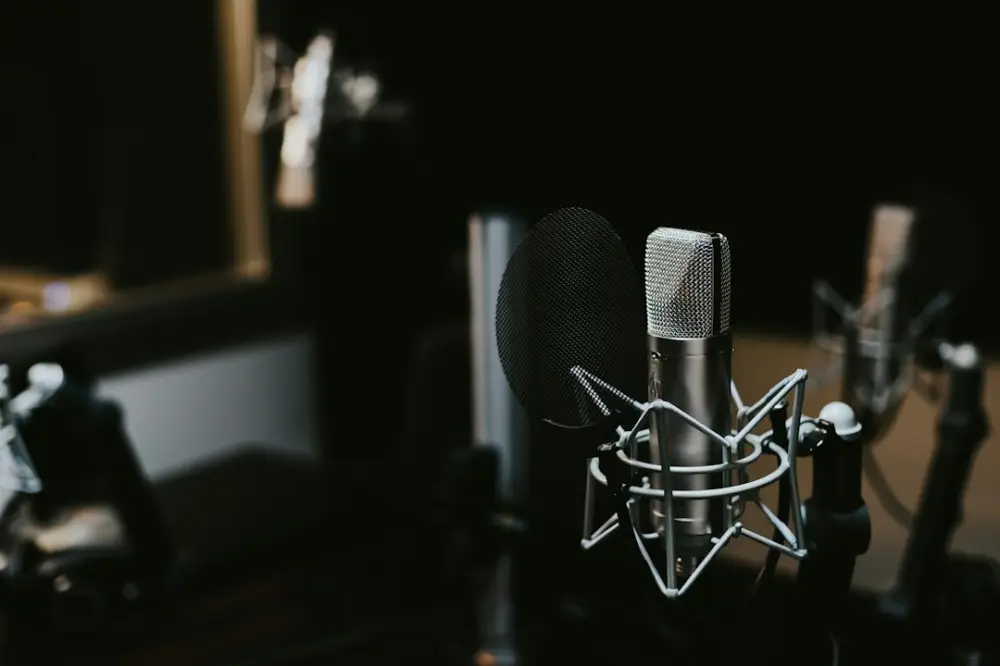
The most common mistake in ADR is reaching for the most expensive large-diaphragm condenser available. While these microphones provide incredible detail, they rarely match the sonic profile of the shotgun or lavalier mics used on set. To achieve a seamless blend, use the exact same microphone models used during the original recording. Furthermore, pay close attention to distance. If the actor was ten feet from the boom on set, recording them six inches from the mic in the studio will result in a proximity effect that creates a jarring bass boost. Matching the physical distance ensures the off-axis coloration and frequency response remain consistent with the production audio.
Managing Room Tone and Ambience
Clarity is not just about the signal; it is about the silence between the words. Every location has a 'fingerprint' known as room tone. When we insert a clean ADR line into a noisy location track, the sudden drop in background noise—the 'black hole' of silence—is immediately distracting. Always record a few minutes of room tone on location. In the mix, this tone must be layered beneath the ADR. In complex experimental performance contexts, where the soundscape is constantly evolving, you may need to synthesise this ambience using granular synthesis or convolution reverbs to ensure the dialogue feels grounded in the space.
The Performance Paradox: Reclaiming Energy
Technical precision is worthless if the performance is clinical. The 'Automated' in ADR is a misnomer; it is a deeply human process. An actor in a comfortable, air-conditioned studio often struggles to replicate the physical strain of a character shouting over a storm or whispering in a moment of terror. The engineer’s role here is part director and part psychologist.
Rhythm over Perfection
While lip-sync is the technical goal, the rhythmic 'pocket' of the performance is what carries the emotion. Use the 'three-pip' system (a series of beeps leading into the line) to help the performer find the tempo, but encourage them to move their body as they did on set. If the character was running, the actor should be out of breath. If the character was constricted, the actor should physically compress their chest. These physical cues translate into subtle vocal tremors and tonal shifts that cannot be faked with software.
The 'Worldising' Technique
If a studio recording feels too sterile, consider 'worldising'—a technique pioneered by Walter Murch. This involves playing the clean ADR back through a speaker in a real-world environment (a stairwell, a car, a hallway) and re-recording it with a second microphone. This process bakes the natural acoustics of a physical space into the recording, providing a level of organic integration that digital reverbs often struggle to emulate. It creates a sense of 'air' around the voice that helps it sit 'in' the screen rather than 'on' it.
Integration within Immersive Soundscapes
In the era of Dolby Atmos and spatial audio, dialogue is no longer tethered to a static centre channel. Immersive soundscapes allow us to move voices through 3D space, but this added freedom brings added complexity. ADR must be processed to survive the translation into multichannel formats without losing its focus.
Spatial Positioning and Distance Cues
When mixing ADR for immersive environments, the use of early reflections is more important than the reverb tail. Early reflections provide the brain with the data needed to localise a sound source. By adjusting the pre-delay and the ratio of direct to reflected sound, you can push a voice back into the mix or pull it forward. In a 7.1.4 array, dialogue should feel like it occupies a specific point in the room. If the ADR is too dry, it will sound like it’s inside the listener’s head, breaking the immersion of the external soundscape.
Frequency Balancing for Multichannel Mixes
Clarity in a dense, immersive mix is often a battle of frequency real estate. To keep the ADR intelligible against a backdrop of experimental textures and cinematic scores, use dynamic EQ to carve out a space for the fundamental vocal frequencies (typically between 1kHz and 5kHz). Rather than a static cut, a dynamic EQ only reduces the competing frequencies when the dialogue is present, preserving the richness of the soundscape during the pauses. This surgical approach ensures that even the most delicate ADR lines remain crisp and clear, regardless of the sonic chaos surrounding them.
Refining ADR is an exercise in invisibility. The ultimate success of a re-recorded line is measured by the listener’s inability to detect it. By combining rigorous technical matching with an appreciation for the physical reality of the performance, we can build soundscapes that are both crystal clear and deeply immersive. The goal is never just to hear the words; it is to feel the space in which they were spoken.