
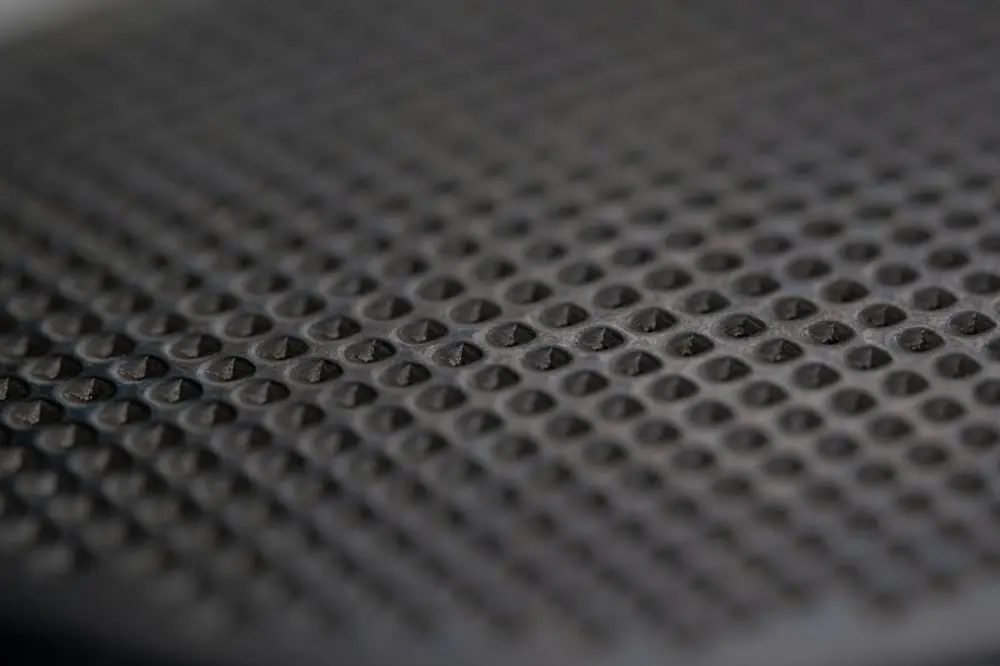
Sonic texture is the perceived surface quality and density of a sound, determined by how different timbres, rhythms, and frequencies interact. Unlike melody or harmony, texture focuses on the "feel" of the audio—whether it is gritty, airy, or thick—allowing experimental musicians to create immersive environments and evoke specific emotional responses.
In the context of 2026 experimental performance, texture serves as the structural foundation rather than a decorative layer. Musicians use it to define the physical space of a room, moving beyond traditional notation to prioritize the tactile sensation of sound waves. By manipulating the internal characteristics of a sound, an artist can make a single sustained note feel like a jagged edge or a soft cloud.
Timbre as the Foundation of Texture
Timbre is the specific quality of a sound that distinguishes it from others, even when they share the same pitch and volume. In experimental music, timbre is the primary building block of texture. For example, a sine wave produced by a clean oscillator has a smooth, pure texture. In contrast, running that same signal through a bitcrusher pedal introduces digital artifacts and aliasing, transforming the texture into something "pixelated" or "brittle." Musicians often focus on the harmonic content of these timbres, adding or subtracting overtones to change the perceived weight of the sound.
Density and Spatial Occupancy
Density refers to how many sonic events occur within a specific timeframe and how much of the frequency spectrum they occupy. A sparse texture might consist of a single, echoing contact microphone recording of a needle scratching a glass plate. A dense texture, often referred to as a "wall of sound," might involve dozens of overlapping oscillators, field recordings, and feedback loops. In a live setting, density dictates how much "air" is left in the room, directly influencing the audience's sense of claustrophobia or openness.
Visual vs. Sonic Texture: Key Comparisons
Understanding sonic texture is often easier when compared to visual or tactile experiences. Just as a painter uses thick impasto brushstrokes to create physical depth on a canvas, a sound artist uses layering and distortion to create depth in an audio field. Visual texture tells your eyes how a surface would feel to the touch; sonic texture tells your ears how the vibration would feel against your skin.
Tactile Analogies in Sound Design
When describing sound, we frequently use tactile adjectives. A "grainy" sound often refers to granular synthesis, where audio is chopped into tiny fragments (grains) and reassembled. This creates a flickering, uneven surface similar to sandpaper. A "smooth" sound, such as a low-pass filtered pad, behaves like silk or water, flowing without sharp interruptions. These comparisons are not just metaphorical; they describe the actual shape of the waveform. A jagged, irregular waveform produced by high-gain distortion physically moves the speaker cone in a way that produces a rougher air pressure wave.
Visual Weight and Frequency Distribution
In graphic design, a heavy texture can anchor a composition. In sound, low-frequency drones provide a similar "weight." A sub-bass frequency at 40Hz creates a thick, viscous texture that feels heavy and grounding. Conversely, high-frequency "glitch" sounds—like the digital chirps of a malfunctioning cable—feel light, sharp, and ethereal. Balancing these textures is similar to balancing light and shadow in a photograph. This shift reflects why many artists are now focusing on breaking the silence: why sound design as a primary compositional tool.
How Texture Enhances Auditory Communication
Texture communicates intent and emotion in ways that melody cannot always reach. In experimental music, where traditional lyrical narratives are often absent, the "feel" of the sound carries the message. It allows the performer to communicate complex states of being—such as decay, industrialization, or organic growth—through the sheer quality of the audio signal.
Communicating Environment and Place
Musicians use texture to place the listener in a specific environment. By incorporating field recordings with specific textural qualities—such as the metallic resonance of a shipping yard or the soft, rhythmic hum of a server room—the artist builds a world. If the texture is cold and mechanical, the communication is one of isolation or technology. If the texture is warm and saturated, like vintage magnetic tape, it communicates nostalgia or human presence. This form of communication is immediate and bypasses the need for intellectual decoding.
Narrative Arc Through Textural Shift
A piece of music can tell a story simply by evolving its texture. An artist might start with a very "thin" and "clean" texture, slowly introducing harmonic distortion and temporal jitter until the sound becomes "bloated" and "unstable." This progression can represent a breakdown or an evolution. Exploring the art of sound: how experimental performance evolves often requires looking at how these layers interact in a physical space to move the listener through a narrative without words.
Creative Methods for Layering Soundscapes
Creating complex textures requires more than just piling sounds on top of one another. It involves a deliberate approach to layering where each element occupies a specific niche in the frequency and temporal domains. In 2026, the tools available for this—ranging from modular hardware to sophisticated software—allow for unprecedented control over the microscopic details of sound.
Granular Synthesis and Micro-Sampling
Granular synthesis is one of the most powerful tools for creating texture. By breaking a sample into grains lasting between 1 and 50 milliseconds, musicians can freeze a sound in time or stretch it into a vast, shimmering cloud. A recording of a single piano note can be turned into a gritty, metallic drone or a swarm of tiny, percussive clicks. This technique allows for the creation of "impossible" textures that do not exist in the natural world. You can find more technical details on the mechanics of granular synthesis to understand how these micro-samples are processed.
Frequency Modulation and Harmonic Distortion
Layering often involves using one sound to change the texture of another. In Frequency Modulation (FM) synthesis, one oscillator modulates the frequency of another at high speeds, creating complex, often metallic overtones. When combined with harmonic distortion, these layers become thick and saturated. A practical method is to layer a clean, deep bass tone with a highly distorted, mid-range version of the same signal. This provides both the "weight" and the "grit" necessary for a compelling experimental soundscape.
Field Recordings and Environmental Integration
Integrating non-musical sounds adds a layer of "organic dirt" to a composition. A common technique is to take a field recording of wind or rain and use it as a side-chain trigger for a synthesizer. This forces the synth's texture to breathe and fluctuate in time with the natural world. The result is a soundscape that feels alive and unpredictable, rather than static and programmed.
Emotional Impact of Harsh and Smooth Audio
The emotional response to sonic texture is deeply rooted in psychoacoustics. Our brains process different types of vibrations with varying levels of urgency. Experimental musicians leverage these biological responses to guide the audience's emotional state during a performance.
The Psychological Comfort of Smooth Envelopes
Smooth textures, characterized by slow attack times and a lack of high-frequency dissonance, tend to lower the listener's heart rate. These sounds are often found in ambient and drone music. When the texture is "soft" and "round," it creates a sense of safety or immersion. In a live environment, these textures can be used to ground the audience before introducing more challenging elements. The use of timbre to create these soothing environments is a foundational skill in sound therapy and minimalist composition.
Abrasive Textures and the Physical Response
Harsh, abrasive textures—such as white noise, feedback, or high-frequency pulses—trigger a "fight or flight" response. These sounds are perceived as jagged or sharp, creating a sense of tension or even physical discomfort. In noise music and power electronics, these textures are used for catharsis. The emotional impact isn't derived from the melody, but from the physical endurance required to process the intensity of the texture. This creates a visceral, high-energy connection between the performer and the audience.
First steps with sonic texture in your own projects
Start with one short loop before you rebuild an entire mix.
- First step: pick a DAW or field recorder you already use and import one raw clip.
- Start by layering two contrasting textures (grain vs tone) at low volume.
- To begin, automate one filter sweep so movement stays obvious on laptop speakers.
- Follow these steps to export a 30-second sketch and compare it on headphones and speakers.
- Document which plugins or mics you used so the next session repeats the same workflow.
Building Tension with Feedback and Sonic Grain
For the experimental performer, the ultimate goal is often the balance between control and chaos. Using feedback and sonic grain allows for a performance that feels dangerous and immediate. These elements are unpredictable by nature, requiring the artist to react to the sound in real-time, which in turn heightens the tension for the listener.
Controlled Feedback Loops
Feedback is often viewed as a mistake in traditional audio engineering, but in experimental music, it is a primary instrument. By routing the output of a mixer back into its own input, a performer creates a self-sustaining loop of sound. The texture of this feedback can be manipulated by inserting pedals or processors into the loop. Changing a single knob on an EQ can transform the texture from a low, rumbling growl to a piercing, crystalline shriek. This creates a palpable sense of tension, as the audience can hear the equipment pushed to its physical limits.
Granular Disintegration in Live Sets
Another practical takeaway for building tension is the use of "disintegration." This involves taking a stable, melodic texture and slowly breaking it apart using granular tools or bit-reduction. As the sound loses its cohesion and becomes more "grainy" and "fragmented," the listener experiences a sense of loss or decay. This technique is highly effective in immersive performances where the goal is to reflect on themes of time and entropy.
Mastering these creative uses of sonic texture is what defines the boundary-pushing work found at Feedback & Disaster. By moving away from the constraints of traditional harmony and embracing the raw, tactile power of sound, performers can create experiences that are not just heard, but felt. Whether through the surgical precision of granular synthesis or the raw energy of a feedback loop, the focus on texture ensures that every performance remains a unique, physical encounter between the artist and the environment.