
The Archival Trap: Why Most Live Performance Videos Fail
The biggest tragedy in modern music videography is the obsession with the ‘perfect view.’ We have all seen it: three static cameras, a wide shot from the soundboard, and a clean, sterile edit that looks more like a security feed than a concert. In my view, this archival approach is where energy goes to die. If you are a video content creator aiming to capture the essence of a live performance, you have to stop trying to document reality and start trying to translate an experience.
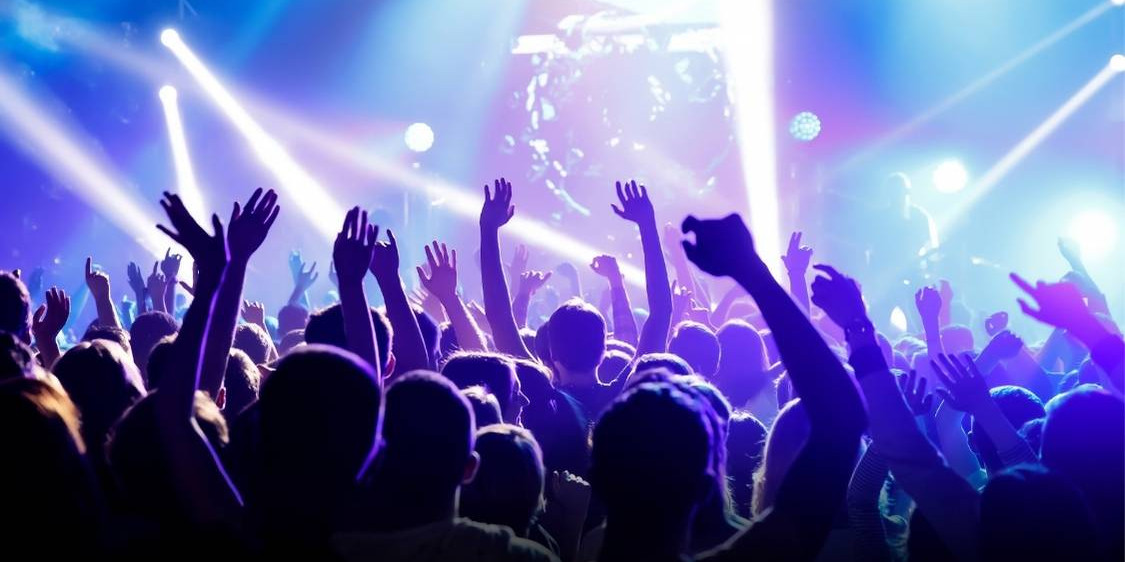
Documenting is for historians. Cinematic storytelling is for creators. When an audience is in a room with a performer, they aren’t seeing a 16:9 frame; they are feeling the vibration of the bass, the sweat on the performer’s brow, and the chaotic shift of the lights. To capture that raw energy, you must be willing to sacrifice the safety of the ‘perfect’ shot for the visceral impact of the ‘right’ shot.
The Power of Subjectivity Over Objectivity
The industry is obsessed with objectivity—the idea that the camera should be an invisible fly on the wall. I argue that this is a fundamental misunderstanding of the medium. To capture raw energy, the camera shouldn’t be a spectator; it should be a participant. It needs to feel like it’s on stage, breathing with the drummer and flinching at the strobe lights.
Subjective cinematography means making choices that reflect the emotional arc of the performance. If the music is frantic and dissonant, your camera movement should be equally unhinged. If the moment is intimate and stripped back, your lens should be invasive, forcing the viewer to confront the vulnerability of the artist. The moment you step back to ‘get everything in the frame,’ you lose the soul of the performance. You aren’t filming a play from the back of the theater; you are capturing a collision of sound and identity.
Embrace the Dirty Frame
One of the most effective tools in cinematic storytelling is the ‘dirty’ frame. This refers to shooting through objects, people, or light flares to create a sense of depth and immersion. In a live setting, this means not being afraid of a fan’s head blocking a corner of the frame or a stray stage light blowing out your sensor. These aren’t mistakes; they are textures.
When you clean up a live performance too much, you strip away its context. The grit, the smoke, and the visual noise are what make a performance feel ‘live.’ A polished, sterile image suggests a studio recording with better outfits. A dirty, textured frame suggests a moment in time that can never be replicated. As creators, we should be leaning into the imperfections that define the live experience.
Translating Sound to Sight: The Visual Rhythm
Sound design matters, but for a video creator, the visual rhythm is what dictates how that sound is perceived. I’ve seen countless videos where the edit is completely disconnected from the tempo of the music. This is a missed opportunity. Cinematic storytelling in a live context requires an editor who understands the music as well as the performer does.
Your cuts should be the percussion. Your focal shifts should be the melody. If there is a crescendo in the audio, there should be a corresponding tension in the visuals. This doesn’t always mean cutting faster; sometimes it means holding a shot for uncomfortably long to build anticipation. The goal is to create a visual language that mimics the physical sensation of hearing the music live. If the viewer isn’t leaning into their screen by the bridge of the song, you haven’t told the story well enough.
5 Rules for Cinematic Live Content
If you want to move beyond the boring multi-cam setup and start creating content that actually resonates, you need to change your tactical approach. Here are my non-negotiable rules for capturing live energy:
- Kill the Tripod: Unless you are filming a three-hour opera, stay handheld or use a shoulder rig. The natural micro-tremors of a human hand add a layer of subconscious energy that a static shot can never replicate.
- Primes Over Zooms: Force yourself to move your body. Prime lenses usually offer wider apertures, allowing you to play with shallow depth of field and light flares that add a cinematic ‘dream’ quality to the footage.
- Shoot for the Edit: Don’t just spray and pray. Look for specific narrative beats—a glance between band members, a hand adjusting a pedal, the way the light hits the smoke. These are the details that build a story.
- Break the 180-Degree Rule: In a live environment, the ‘rules’ of traditional cinema are meant to be broken. Crossing the line can create a sense of disorientation that perfectly matches a high-energy set.
- Prioritize the ‘Wrong’ Angles: Everyone shoots from the front of the stage. Try shooting from behind the drummer, from the floor looking up, or from the very edge of the wings. Change the perspective to change the narrative.
Conclusion: Stop Playing It Safe
The real tragedy of modern live video is that we have more technology than ever, yet we are using it to make things look more boring. We have 8K sensors and gimbal stabilizers, yet we use them to create content that feels like a corporate webinar. To capture raw energy, you have to be willing to let the disaster in. You have to be willing to lose the focus for a second, to let the highlights blow out, and to get uncomfortably close to the action.
Cinematic storytelling is about the ‘why,’ not just the ‘what.’ Why does this performance matter? Why does this artist command the room? If your video doesn’t answer those questions through its visual language, then it’s just a recording. And in an age of infinite digital content, nobody needs another recording. They need an experience. Start filming like you have something to prove, and the energy will follow.